BLE Security Protocols: Locking Down Your BLE Projects — BLE Guide 2023
Ghayoor Zafar, Marketing Manager
- Published
- Feb 22, 2024
- Read Time
- 10 Min Read
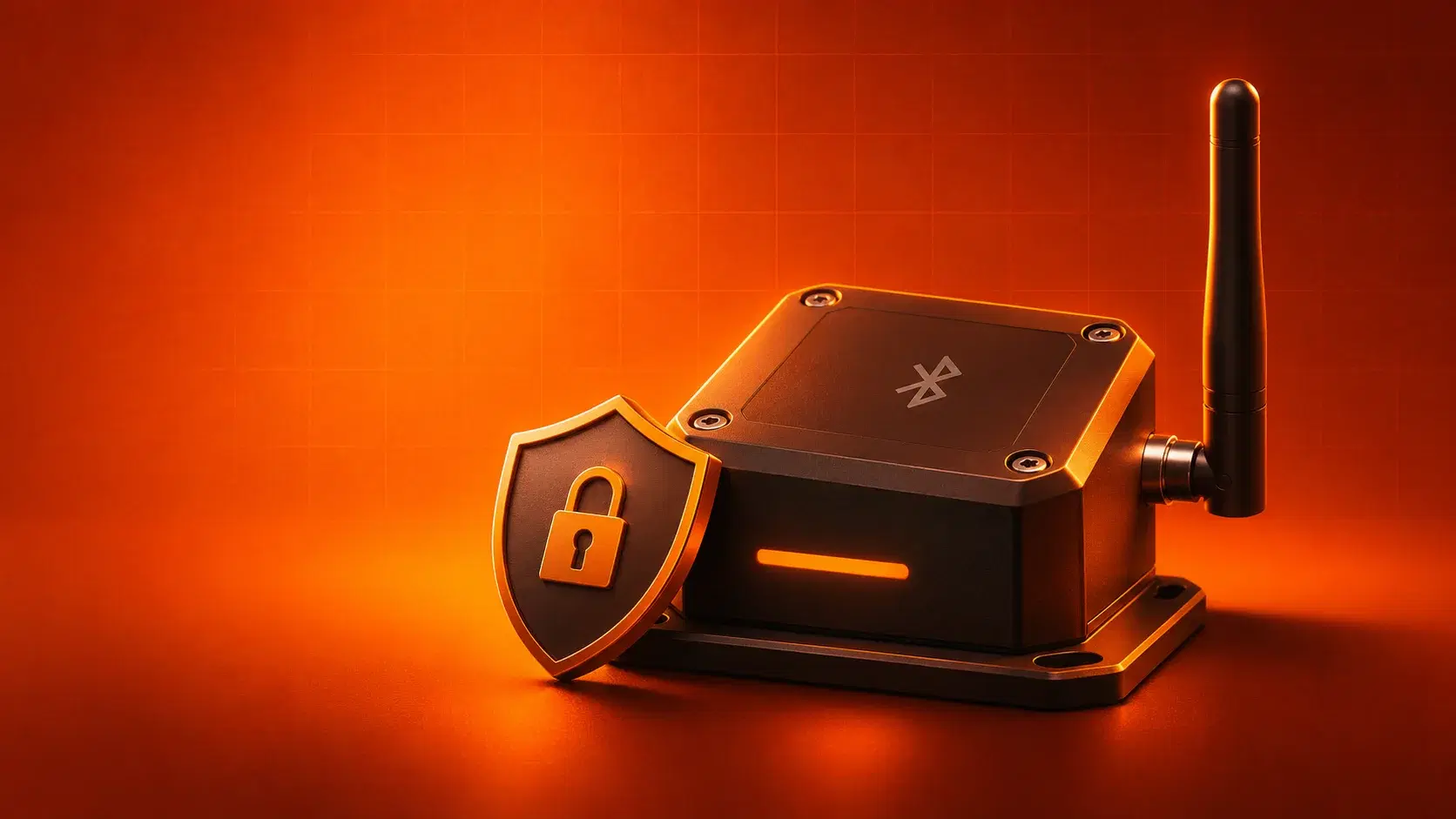
Hello again, BLEthusiasts! 🎉 By now, you’ve got your first BLE project up and running. But wait, is it secure? In this article, we’ll dive into the essential security protocols you need to know to keep your BLE projects as secure as a Swiss bank vault.
01 What You’ll Learn
In this article, you’ll gain insights into:
- The critical importance of BLE security
- The difference between Pairing and Bonding
- BLE Security Modes and Levels
- Practical steps to implement security in your BLE projects
02 The Critical Importance of BLE Security
In the digital age, security is not a luxury; it’s a necessity. BLE devices are no exception. They can be susceptible to various security threats, including eavesdropping, man-in-the-middle attacks, and unauthorized device control. Therefore, understanding and implementing BLE security protocols are crucial for any BLE project.
03 Pairing vs. Bonding: The Basics and Beyond

- Pairing: This is the initial step where two BLE devices establish a connection. It’s like a digital handshake that ensures both parties are who they claim to be. Pairing is often done using a passkey or a digital “handshake” to establish trust for the first time.
- Bonding: This is the next level. Bonding is when the devices save security information to establish a trusted relationship for future interactions. It’s like going from a first date to a committed relationship.
04 BLE Security Modes and Levels: A Deep Dive
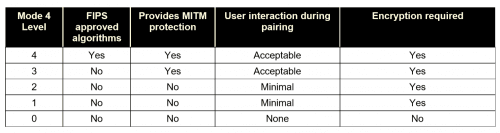
- Mode 1: This is the “Wild West” of BLE security — no security measures are in place. It’s like leaving your front door wide open. Not recommended unless you’re creating a public information kiosk.
- Mode 2: This offers application-level security. It’s better than nothing but still not foolproof. Think of it as putting a lock on your diary but leaving the key under the mat.
- Mode 3: This is where things get serious. Link-layer encryption is used, making it difficult for unauthorized users to gain access. It’s like having a fingerprint scanner at your door.
- Mode 4: This is the platinum standard, using LE Secure Connections for the most robust security. Imagine a retina scanner and a 12-digit passcode for your door.
Each mode has different levels, ranging from Level 1 (no security) to Level 4 (strong, 128-bit encryption).
05 Implementing Security in Your Project: A Step-by-Step Guide
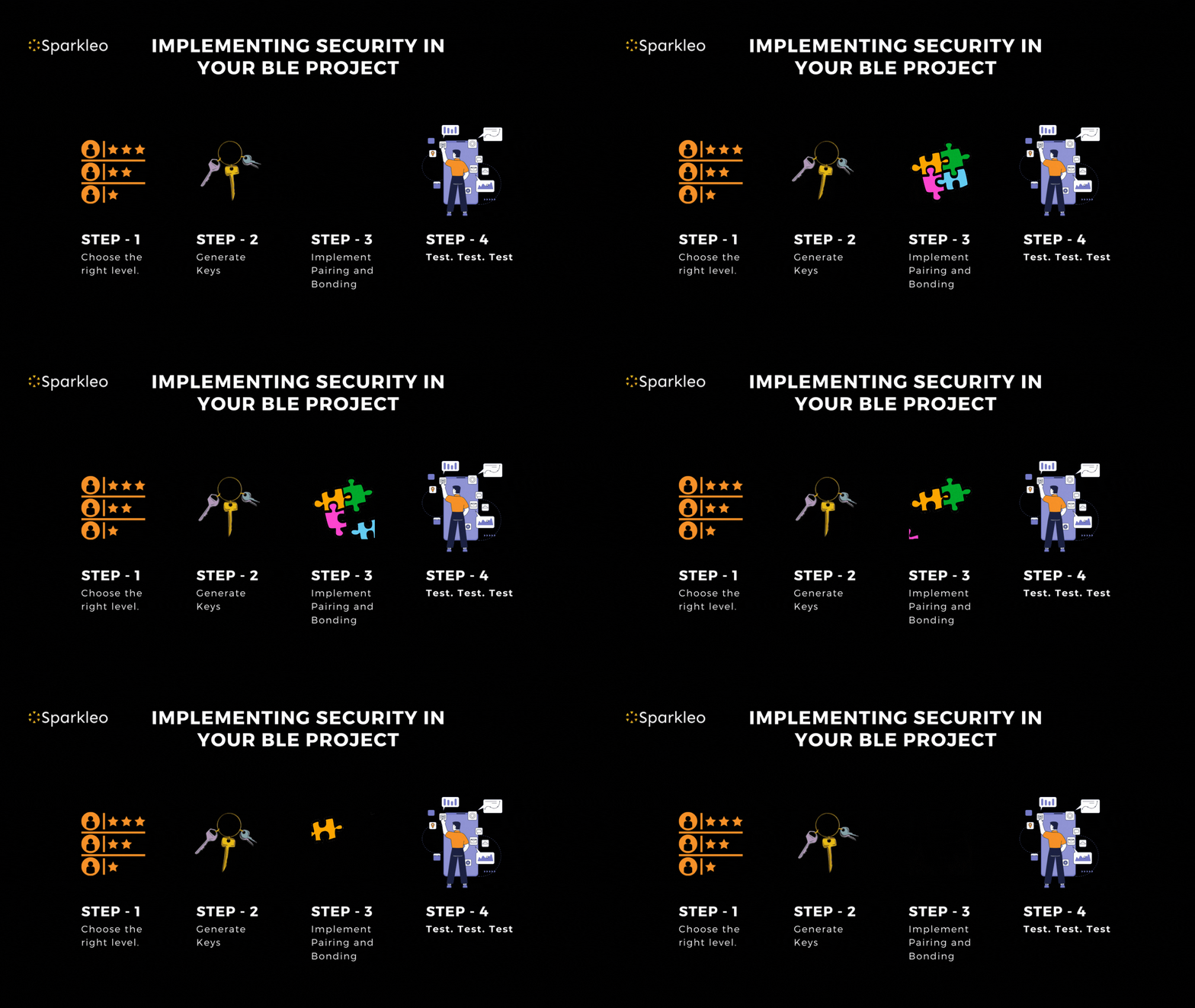
- Choose the Right Mode and Level: Assess the security needs of your project. Is it a simple LED control system or a secure door lock? Choose accordingly.
- Generate Keys: Use cryptographic libraries to generate secure keys. These keys will be used for encryption and authentication.
- Implement Pairing and Bonding: Use the APIs provided by your development environment to handle pairing and bonding. This is where the rubber meets the road.
- Test Thoroughly: Don’t just test to see if it works; test to see where it breaks. Use various attack scenarios to ensure your security measures hold up.
06 Conclusion
Security in BLE is not a one-size-fits-all solution. It requires careful planning, implementation, and testing. By understanding the different security modes and levels, and by taking a methodical approach to implementing these features, you can ensure that your BLE projects are not just functional but secure.
What’s Next?
Stay tuned for our next article, “Advanced BLE Projects: From LEDs to Smart Homes,” where we’ll explore more complex BLE projects that you can undertake.
Ready to build a Fort Knox out of your BLE projects? Contact Sparkleo.io today for expert guidance and solutions!
Was This Article Helpful?